
Fixed assets can be tangible fixed assets or intangible fixed assets. But, as we discussed earlier, the rise of intangible assets in companies such as Visa, Shopify, and Facebook. The accounting rules must adapt to reflect the value created by those companies’ investments. For example, Facebook recently announced that over a fifth of its workforce focuses on developing VR (virtual reality) tech and products. Because depreciation and amortization are expenses that reduce a company’s earnings each year, we need to add that back to the company’s cash flow statement.
Related Terms
These tangible or fixed assets include real estate property, buildings, plants, machinery, equipment, vehicles, furniture, and other tangible items that the company owns. But when we move to the investing section of the cash flow, here is where the actual cash spent comes into play. Cash must be spent to buy the fixed or intangible asset before depreciation or amortization begins. The Investing section is where the cash paid for the asset leaves the company and where the assets increase on the balance sheet. In its simplest terms, amortization refers to the process of spreading the cost of an intangible asset over its useful life. We should point out that it’s common to mix up the amortization of an intangible asset with an amortization schedule, which figures out mortgage loan payments over a period of time.
Common Methods for Calculating Depreciation
Amortization is similar to depreciation in that it’s used to spread the cost of an asset over a period of time. However, the petty cash key difference to remember is that amortization is only used for intangible assets, whereas depreciation is usually only applied to tangible, fixed assets. Depreciation and amortization depend on the method, rate, and period chosen to allocate the cost of an asset. Each method has its own advantages and disadvantages, and may result in different amounts of depreciation or amortization in different periods.
Depletion
- Though they won’t have an effect on your company’s cash flow, they can be used to paint a bigger picture about the cost of doing business.
- HighRadius offers a cloud-based Record to Report Software that helps accounting professionals streamline and automate the financial close process for businesses.
- Depreciation and amortization are two ways of doing this, depending on the asset type.
- The depreciation is charged as a capital expenditure against the revenue generated from the asset during the year, i.e., the matching concept.
- In other words, recognizing a higher depreciation expense reduces the income tax liability recorded on the income statement for bookkeeping purposes.
- If the fair value of the reporting unit is less than its carrying amount, an impairment loss is recognized.
Capital expenses are either amortized or depreciated depending upon the type of asset acquired through the expense. Tangible assets are depreciated over the useful life of the asset whereas intangible assets are amortized. Amortization is an accounting term that refers to the cost allocation of intangible assets over several accounting periods. Depreciation helps businesses to spread the cost of large investments in fixed assets over several accounting periods. For financial reporting, book amortization and depreciation are calculated to reflect an accurate representation of a company’s asset values and profitability. These calculations comply with generally accepted accounting principles (GAAP) in the U.S., or international financial reporting standards (IFRS) internationally.
- Instead, only the extent to which the asset loses its value (depreciates) is counted as an expense.
- Month-end close is a stressful exercise for many companies, but it doesn’t have to be that way.
- Each method reflects different assumptions about the asset’s usage and how it provides value to the business over time.
- The amount a company pays in taxes in a given year can easily distort the performance numbers.
- The second situation of amortization is for accounting and tax purposes, specifically when it comes to intangible assets.
One relates to loans and how interest is applied and paid on those loans. Amortize literally means “to kill.” So, as you pay down a loan, you will eventually amortization vs depreciation “kill” it. The other meaning of amortization is the reduction of the cost of an intangible asset over time. Amortization is similar to depreciation, which is the process of spreading the cost of a tangible asset over its useful life. Master the fundamentals of financial accounting with our Accounting for Financial Analysts Course. This comprehensive program offers over 16 hours of expert-led video tutorials, guiding you through the preparation and analysis of income statements, balance sheets, and cash flow statements.

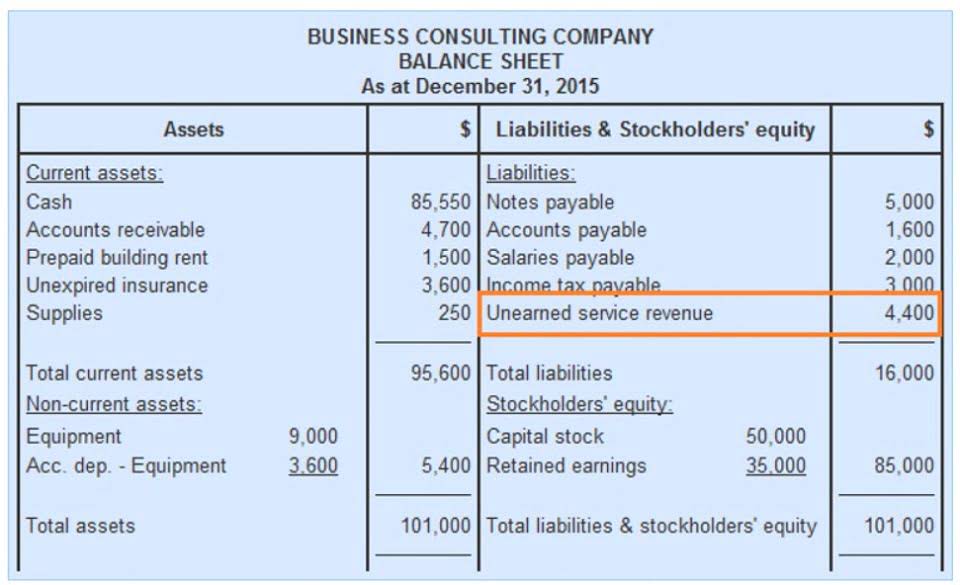
The declining balance method uses a fixed rate, such as 150% or 200%, to calculate the annual depreciation expense. Therefore, depreciation applies to tangible assets, whereas amortization relates to intangible assets, with comparable mechanics regarding the accounting impact on the financial statements. Bookkeeping 101 In short, the depreciation of fixed assets and amortization of intangible assets gradually “spreads” the initial outlay of cash over the implied useful life of the asset. Depreciation and amortization are not cash outflows, but rather accounting adjustments that reduce the book value of an asset over time.
We undertake detailed modelling of fixed asset depreciation and lease calculation rules for both accounting and tax. Despite the differences between amortization and depreciation, on the income statement, both techniques are recorded as expenses. Additionally, an intangible asset has no salvage value because it cannot be resold. Therefore, the amortization calculation does not include any accounting for resale value. On a side tangent, the term “amortization” could also refer to a loan repayment schedule, which carries a completely different meaning from the amortization schedule of an intangible asset. Therefore, amortization refers to the accounting technique used to gradually reduce the book value of an intangible asset over a set period.